There is a quiet luxury in the steady, even pressure of a weighted blanket. Many people find it helps them unwind at the end of the day. The difference between a blanket you love and one you push aside, however, usually comes down to warmth. Here is what we look for.
Fabric sets the temperature
The cover is what touches your skin, so it matters most. Bamboo viscose and Tencel lyocell feel smooth and cool and manage moisture well. Cotton percale is crisp and breathable. Plush minky and fleece are inviting in winter but hold on to heat.
Fill determines thickness
Glass microbeads are denser than plastic pellets, allowing a slimmer blanket for the same weight — and less insulation. For the airiest option, a chunky knit weighted blanket uses no beads at all.
Weight should feel reassuring, not heavy
A widely used starting point is about 10% of body weight. Those who sleep warm often prefer slightly less.
Size for one
A weighted blanket is meant to drape over the sleeper, not the entire bed. A body-sized blanket stays in place and keeps extra fabric to a minimum.
Our quick checklist
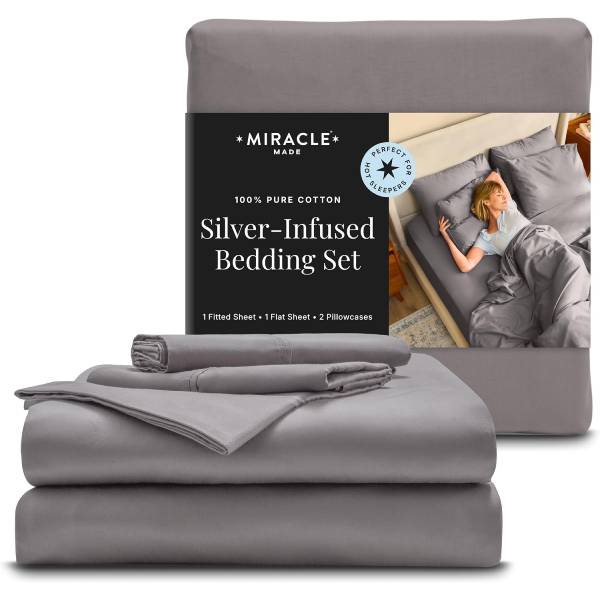
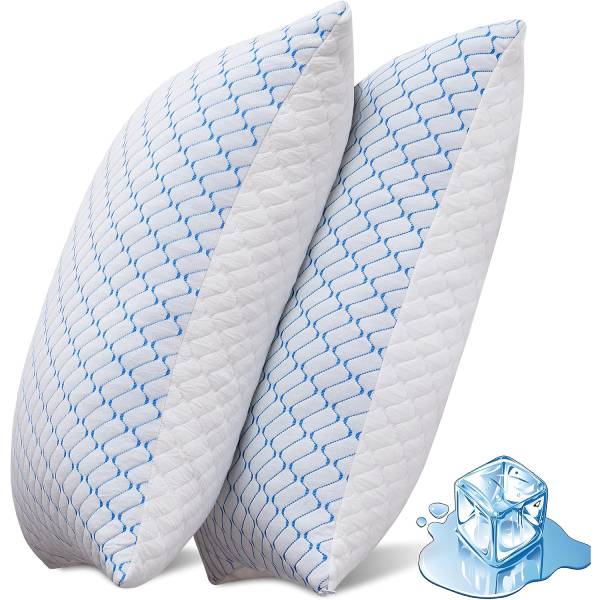
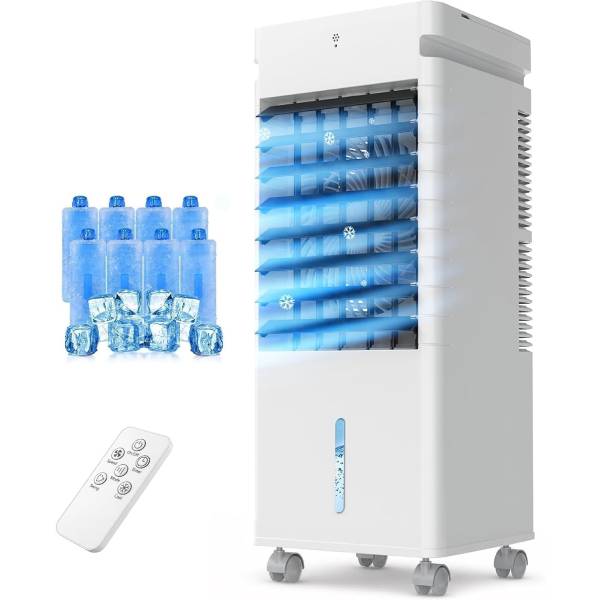
Complete the setting with breathable cotton sheets, a cooling pillow and gentle airflow. On warm nights, let the weighted blanket be your only layer.
Weighted blankets are not suitable for infants or toddlers, and children should use one only with a pediatrician's guidance. Anyone with breathing, circulation or sleep-related conditions should consult a doctor first.